As Long Island homeowners, we cherish the warmth and comfort our heating systems provide during the winter months. However, maintaining our heating equipment’s efficiency, safety, and longevity requires proactive attention and maintenance. By following essential maintenance tips and incorporating regular preventative care, we can help our heating systems operate at optimal levels, keeping our homes cozy and safe throughout the season.
Regular Inspections: Ensuring Optimal Performance
A crucial aspect of maintaining your heating system’s efficiency and reliability is scheduling regular inspections and tune-ups with experienced professionals. Here’s why:
Overall Assessment: Professional technicians can comprehensively assess your heating system, identifying any potential issues or areas needing improvement. This thorough evaluation ensures all components are functioning correctly, maximizing your system’s performance and efficiency.
Preventative Maintenance: During routine inspections, technicians can perform essential preventative maintenance, such as lubricating moving parts, cleaning burners, and checking for leaks. These proactive steps extend your heating system’s lifespan and help you avoid costly, unexpected breakdowns.
Safety and Efficiency: Regular inspections guarantee that your heating system functions safely by examining crucial safety features such as the heat exchanger, carbon monoxide detectors, and ventilation systems. This attention to safety and proper system operation ensures that your home remains both warm and secure during the winter months.
Filter Maintenance: Protecting Your System and Air Quality
Regular filter maintenance plays a vital role in the overall health and performance of your heating system. Here’s why you should prioritize cleaning or replacing your filters:
Improved Efficiency: Clean filters allow your heating system to circulate air more efficiently, reducing energy consumption, and keeping your home warmer at a lower cost.
Indoor Air Quality: Regular filter maintenance significantly improves your home’s indoor air quality, reducing the levels of dust, allergens, and other airborne contaminants.
Extended Equipment Life: A clean filter reduces strain on your heating system’s components, prolonging the life of your equipment and preventing potential breakdowns.
Recommendations: It’s generally recommended to clean or replace your heating system’s filters every one to three months during the winter season, depending on the type of filter and your system’s usage.
Exhaust Ventilation: Maintaining Safety and Proper Functioning
Keeping your heating system’s exhaust vents and flues clean and clear is essential for ensuring proper ventilation and avoiding hazardous conditions. Here’s what you need to know about exhaust ventilation maintenance:
Debris Removal: Regularly inspect your exhaust vents and flues for any buildup of debris, such as leaves or nests, that could obstruct proper airflow. If your vents use a chimney, consider having it professionally cleaned and inspected annually.
Carbon Monoxide Safety: Adequate ventilation is crucial for preventing the build-up of dangerous carbon monoxide gases within your home. Ensure that your home is equipped with functioning carbon monoxide detectors, and replace their batteries annually.
Proper Venting: Heating systems must vent exhaust gases safely and efficiently to avoid any backdrafting issues that could lead to dangerous conditions within your home. Schedule regular inspections with professionals to ensure that your vents and flues are functioning correctly and adhering to safety standards.
Sealing and Insulation: Maximizing Your Home’s Efficiency
Properly sealing and insulating your home is essential for maintaining indoor warmth, reducing energy consumption, and avoiding unnecessary strain on your heating system. Here’s what to consider for optimal sealing and insulation:
Air Leaks: Inspect your home for any potential air leaks coming from windows, doors, and other openings, sealing them with weather stripping or caulk to prevent drafts and conserve energy.
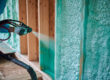
Insulation: Ensure that your home has sufficient insulation in critical areas such as the attic, walls, and basement. Proper insulation maintains indoor temperatures more efficiently, reducing your heating system’s workload and energy consumption.
Window Treatment: Consider investing in energy-efficient windows or window treatments, such as thermal curtains or insulating window film, to retain warmth and minimize heat transfer through your windows.
Emergency Preparedness: Planning for Unexpected Heating System Issues
Being prepared for potential heating system emergencies, such as power outages, fuel shortages, or unexpected malfunctions, is essential for maintaining warmth and comfort during winter months. Consider these precautionary measures:
Backup Heating Sources: Ensure you have alternative heating sources, such as space heaters, electric blankets, or wood-burning stoves, to provide supplemental warmth in case of an emergency.
Fuel and Maintenance Supplies: Keep adequate fuel and essential maintenance supplies on hand to address unexpected issues before professional help can arrive. Maintaining a properly stocked emergency preparedness kit can also be beneficial in a crisis.
Emergency Contact List: Compile a list of emergency contacts, including your heating system technician, fuel provider, and local emergency service providers, readily accessible if needed.
Conclusion
Proactive maintenance and care for our heating systems play a crucial role in ensuring our Long Island homes remain warm, comfortable, and safe throughout the winter season. By incorporating regular inspections, filter maintenance, exhaust ventilation upkeep, proper sealing and insulation, and preparing for emergencies, we can maximize the efficiency, safety, and longevity of our heating equipment. Let’s embrace these essential maintenance tips and enjoy a cozy, worry-free winter on Long Island. Contact Oil Prices Long Island for cheap home heating oil in Long Island.