As Long Island homeowners, we’re always on the lookout for ways to enhance the comfort of our homes while reducing utility costs. One of the most significant factors influencing our home’s energy efficiency is insulation. Proper insulation helps to minimize heat loss during the winter, keeping our homes warm and comfortable, and reduces the workload on our heating systems, leading to potential cost savings. In addition, well-insulated homes can also maintain cooler indoor temperatures during the warm summer months, contributing to year-round comfort.
In this article, we will share valuable tips on how to improve your home’s insulation, covering various aspects such as insulation materials, key areas to insulate, and the benefits of working with professional insulation services.
Understanding Insulation Materials
A wide range of insulation materials is available on the market, each with its unique properties, benefits, and applications. Understanding which materials best suit your needs is critical to achieving optimal insulation performance. Some common insulation materials include:
- Fiberglass: Fiberglass insulation is a popular choice due to its cost-effectiveness, ease of installation, and excellent thermal resistance. Available in batts or loose-fill, it is suitable for insulating walls, floors, and ceilings.
- Mineral wool: Mineral wool insulation, commonly referred to as rock or slag wool, is made from inorganic substances and offers excellent heat resistance and soundproofing qualities. It is available in batts, loose-fill, or rigid board forms.
- Cellulose: Made from recycled paper products, cellulose insulation is an eco-friendly option with great thermal and sound insulation properties. It is typically blown into wall cavities, floors, and ceilings.
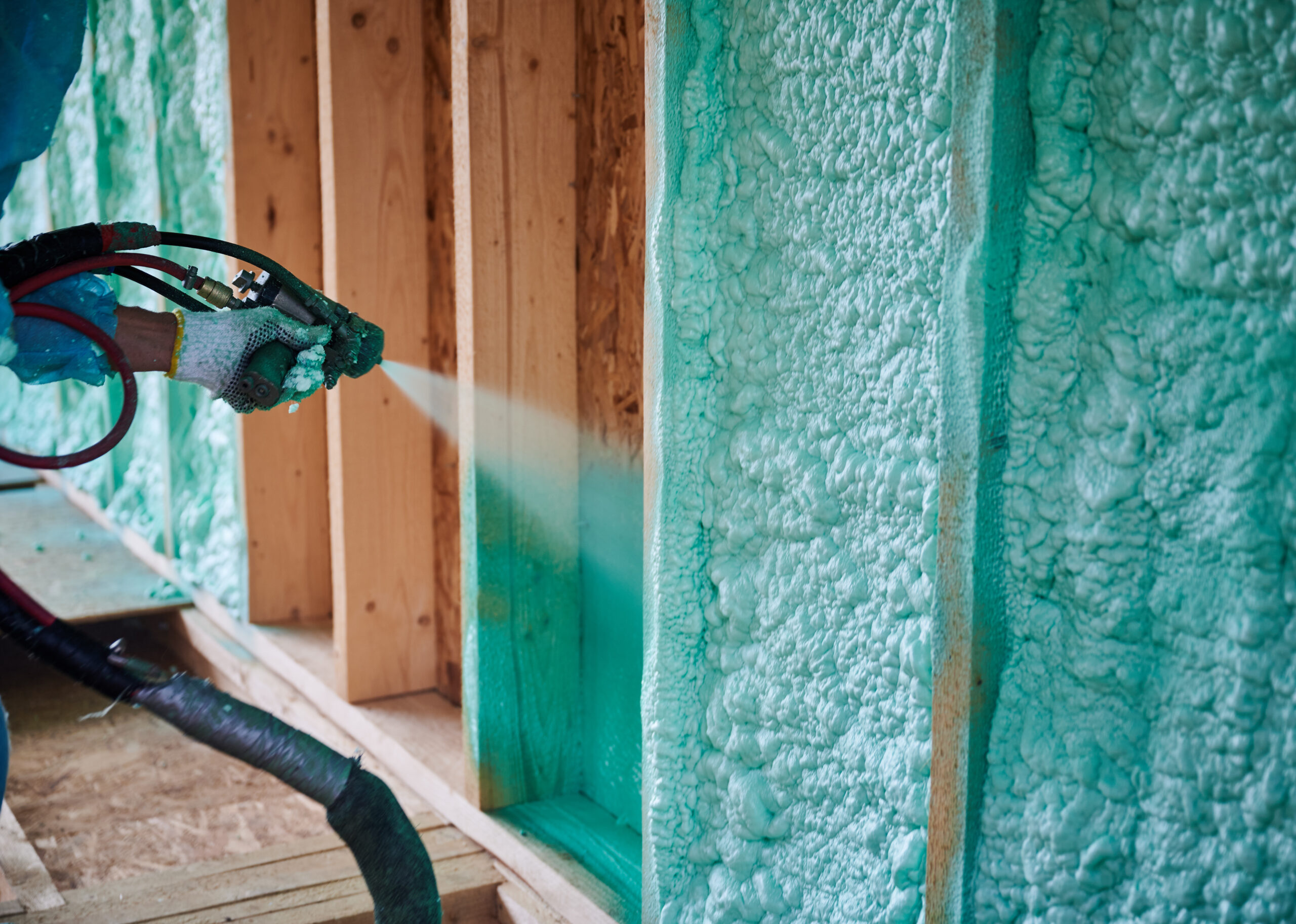
- Spray foam: Spray polyurethane foam (SPF) insulation expands upon application, forming an airtight seal and filling gaps, cracks, and uneven surfaces. It has high thermal resistance and moisture-proof properties.
Key Areas to Insulate
Strategically insulating key areas of your home is essential to achieve an energy-efficient living environment. The following areas demand the most attention when it comes to improving insulation and retaining heat.
- Attic and roof: Your attic and roof can be significant sources of heat loss if not adequately insulated. Insulating these areas can, therefore, have a considerable impact on your home’s energy efficiency.
- Exterior walls: Insulating exterior walls helps to create a thermal envelope around your living space, preventing heat loss and maintaining a comfortable indoor temperature.
- Basement and crawlspace: Insulating your basement and crawlspace can drastically reduce heat loss from your home’s foundation, contributing to a more efficient heating system.
- Windows and doors: High-quality, energy-efficient windows and doors can minimize heat loss through gaps and cracks. In addition, adding weatherstripping can further enhance your home’s insulation.
Upgrading Existing Insulation
If your home is already insulated but isn’t as energy-efficient as you’d like, consider taking the following steps to upgrade your existing insulation:
- Inspect your home: Conduct a thorough inspection of your home to identify areas that may need additional insulation or existing insulation that needs to be replaced.
- Increasing R-value: The R-value of insulation materials indicates their ability to resist heat flow. By adding more insulation to existing insulation or replacing current insulation with a higher R-value option, you can improve heat retention and energy efficiency.
- Sealing gaps and cracks: Address gaps and cracks throughout your home, particularly around windows, doors, and electrical outlets, by using caulk, weatherstripping or expanding foam.
- Insulate pipes and ducts: Insulating hot water pipes and heating ducts can reduce heat loss from your heating system, making it more efficient.
The Benefits of Professional Insulation Services
While some insulation projects can be completed by homeowners, working with professional insulation services can offer several advantages, including:
- Expertise and knowledge: Insulation professionals have the expertise and knowledge to identify your home’s insulation needs and recommend the best materials and methods for optimal results.
- Access to specialized equipment: Professional services often have access to specialized equipment, such as thermal imaging cameras and blower doors, which can help identify areas of heat loss and determine the effectiveness of your home’s insulation.
- Proper installation: Improperly installed insulation can be ineffective or even create new problems, such as mold and moisture issues. Professional installers have the experience to ensure insulation is correctly fitted in all areas of your home.
- Safety considerations: Some insulation materials may be hazardous to work with, or the installation process may pose safety risks. Professional services prioritize safety, ensuring your insulation project is completed without any issues.
Conclusion
Improving your home’s insulation can significantly increase its energy efficiency, provide cost savings, and create year-round comfort. By understanding the different types of insulation materials, focusing on key areas to insulate, upgrading pre-existing insulation, and considering professional installation services, you are well on your way to a more energy-efficient Long Island home.
Begin your energy efficiency journey today by implementing our expert insulation tips, cutting down on heating costs, and transforming your Long Island home into a comfortable sanctuary. Browse through our blog posts at Oil Prices Long Island to learn more about cheap home heating oil in Long Island.