
For Long Island homeowners relying on home heating oil to keep their houses warm and cozy during the cold season, maximizing energy efficiency is crucial in managing costs and promoting environmental conservation. Homeowners can unlock significant savings and enhanced comfort levels by implementing strategic energy-efficient home improvements. These improvements seek to optimize insulation, reduce heat loss, and improve heating system performance, directly influencing your heating oil consumption and overall energy costs. In this informative blog post, we will explore the top energy-efficient home upgrades that can help you make the most of your heating oil while contributing to a more sustainable home.
The concept of energy efficiency focuses on maximizing the output derived from a specific energy input, thereby reducing the overall energy consumption and associated costs. When applied to home heating oil systems, energy-efficient improvements tackle factors that directly impact heating oil consumption, such as home insulation, air sealing, and heating system performance. By taking a proactive approach towards these improvements, homeowners can create a more energy-efficient, comfortable, and eco-friendly living space without compromising on the warmth and coziness essential during Long Island’s chilly winter months.
Implementing energy-efficient home improvements requires a comprehensive understanding of the key areas that impact your heating oil consumption and a strategic approach toward upgrading these aspects while balancing costs and benefits. Some of the significant energy-efficient home improvements include upgrading home insulation, weatherstripping doors and windows, optimizing thermostat management, and maintaining your heating oil systems. By addressing these areas, homeowners can expect lower heating oil bills, decreased carbon emissions, and even improved property value.
Upgrading Home Insulation: A Warm and Efficient Living Space
One of the most effective ways to reduce heating oil consumption and minimize heat loss is by upgrading your home’s insulation. Insulation serves as a thermal barrier, keeping your living spaces warm during the winter and potentially leading to significant savings on heating oil costs. Here are some key areas to focus on when upgrading your home insulation:
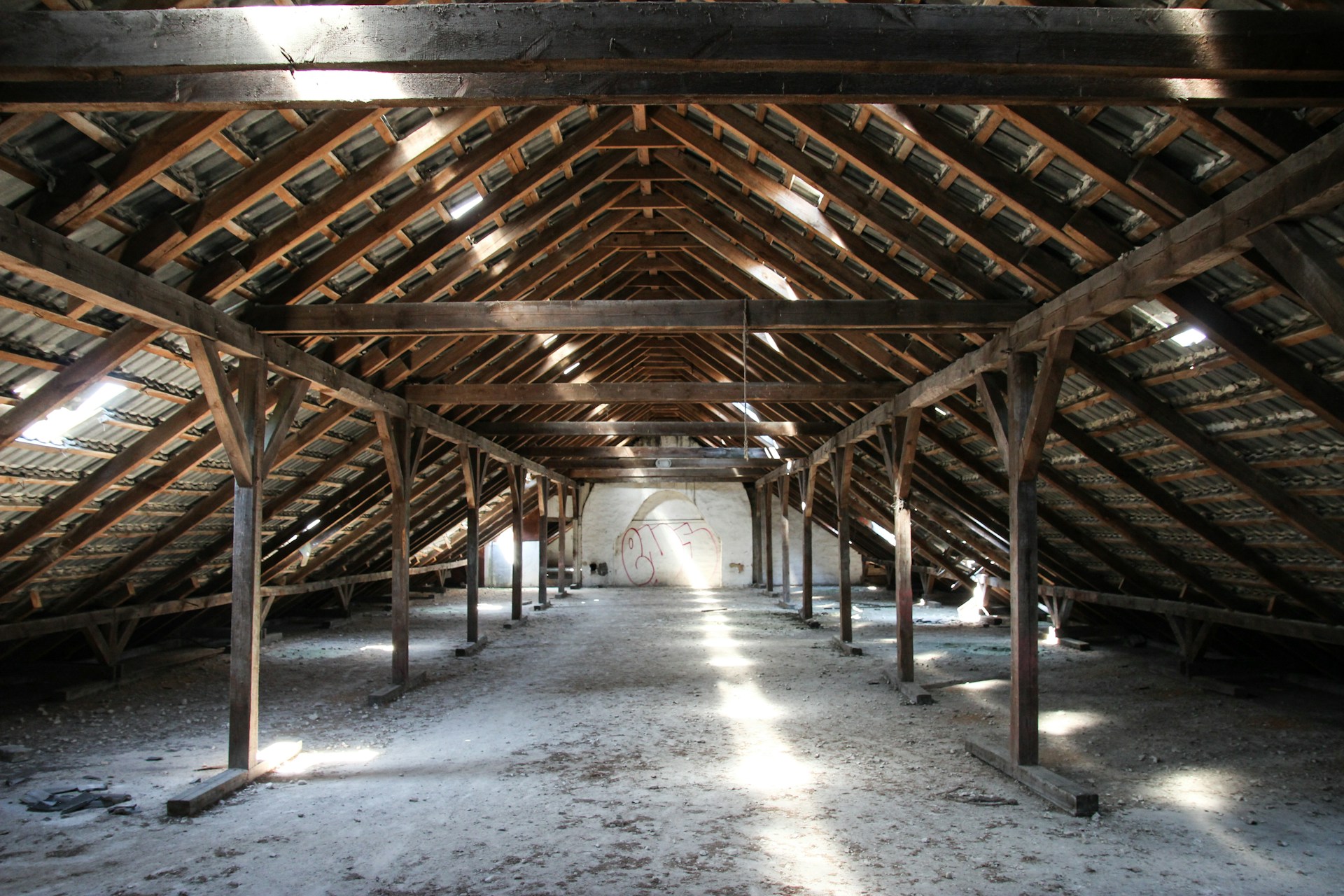
- Attic insulation: Upgrading the insulation in your attic is one of the most cost-effective methods of improving your home’s energy efficiency. A well-insulated attic can effectively reduce heat loss and lower your heating oil consumption.
- Wall insulation: Consider adding insulation to your home’s exterior walls as well, as they play a significant role in preventing heat transfer and maintaining indoor temperatures. Invest in high-quality insulation materials like fiberglass batts or cellulose to maximize your home’s thermal efficiency.
- Floor insulation: Insulating your floors can contribute to overall thermal efficiency, minimizing heat loss and providing a more comfortable living environment. This can be especially beneficial for rooms located above crawl spaces or open-air garages.
Sealing Drafts and Weatherstripping: Keeping the Cold Out
A key factor impacting the efficiency of your heating oil system is the presence of drafts and air leaks around your home. By addressing these issues, you can effectively reduce heat loss, optimize heating system performance, and cut down on heating oil costs. Some useful strategies for sealing drafts and weatherstripping include:
- Caulking windows and doors: Apply weatherproof caulking around the frames of your windows and doors to seal any gaps or air leaks, keeping your home both energy-efficient and draft-free.
- Weatherstripping doors: Weatherstripping door sweeps and thresholds can effectively seal the gaps at the bottom of your doors, preventing drafts and minimizing heat loss.
- Window insulation film: Consider applying window insulation film to your windows during the winter months. This transparent film adds an extra layer of insulation, reducing heat transfer and helping your home retain warmth.
Optimizing Thermostat Management: Precision Temperature Control
Intelligent thermostat management can go a long way in optimizing your heating oil consumption and enhancing the overall efficiency of your home. Here are some thermostat tips to help you manage your home heating oil use:
- Invest in a programmable or smart thermostat: A programmable or smart thermostat allows you to set temperature schedules tailored to your daily routines. This way, you can save on heating oil by lowering the temperature when your home is unoccupied or while you’re asleep.
- Set optimal temperatures: Adjust your thermostat to maintain your home at an optimal temperature. The Department of Energy recommends setting your thermostat to 68°F during waking hours and lowering it by 7-10°F overnight or when you’re away from home to save on heating oil costs.
- Place your thermostat strategically: Ensure your thermostat is placed in a central location away from drafts, direct sunlight, or heat-producing appliances. This helps your thermostat record accurate temperature readings, providing efficient heating.
Maintaining Your Heating Oil System: Ensuring Peak Performance
A well-maintained heating oil system directly contributes to energy efficiency, reduced heating oil consumption, and overall savings. Routine heating system maintenance and upgrades can ensure optimal performance and longevity. Here are some steps for maintaining your heating oil system:
- Routine system inspections: Schedule regular inspections with a qualified technician to evaluate your heating system’s performance and identify any issues requiring attention.
- Clean and replace filters: Regularly clean or replace your heating oil system’s filters to ensure smooth operation and prevent disruptions in airflow, which can reduce efficiency.
- Upgrade existing heating equipment: If your heating system is outdated or inefficient, consider investing in an energy-efficient heating oil system. Upgrading to a high-efficiency system can save on heating oil costs and enhance overall home comfort.
Conclusion
By incorporating energy-efficient home improvements, Long Island homeowners can unlock substantial savings on heating oil costs while boosting their home’s overall comfort and contributing to environmental conservation. Upgrading insulation, sealing drafts, optimizing thermostat management, and maintaining your heating oil system are key areas to focus on when seeking to improve energy efficiency. With these upgrades in place, you can enjoy a cozy, inviting atmosphere during Long Island’s chilly winter months while significantly reducing your heating oil bills and promoting sustainability.
Maximize savings on your heating oil costs and embrace a more energy-efficient, comfortable, and sustainable home with these top energy-efficient home improvements! Get in touch with Oil Prices Long Island today to get started.




1 Comment