With winter fast approaching, it’s crucial for Long Island homeowners like us to start preparing our home heating systems to ensure they operate efficiently and effectively throughout the season. An optimally functioning heating system is key to providing warmth and comfort for our families while also providing potential cost savings on energy bills.
In this comprehensive guide, we will share expert recommendations and advice on how to adequately prepare your home heating system for the winter months. Our tips will cover various aspects of heating system maintenance. By following our comprehensive guide on preparing your home heating system for winter, you’ll be well-equipped to create a warm, comfortable sanctuary for your Long Island home, no matter how harsh the weather conditions.
Routine System Checkup
A routine system checkup is essential to prepare your home heating system for the upcoming winter months. It helps identify potential issues before they escalate into significant problems and ensures your system is running efficiently. A thorough home heating system inspection includes:
- Visual examination: Begin by inspecting your heating system components for visible signs of wear and tear, such as loose connections, damaged wiring, or corrosion.
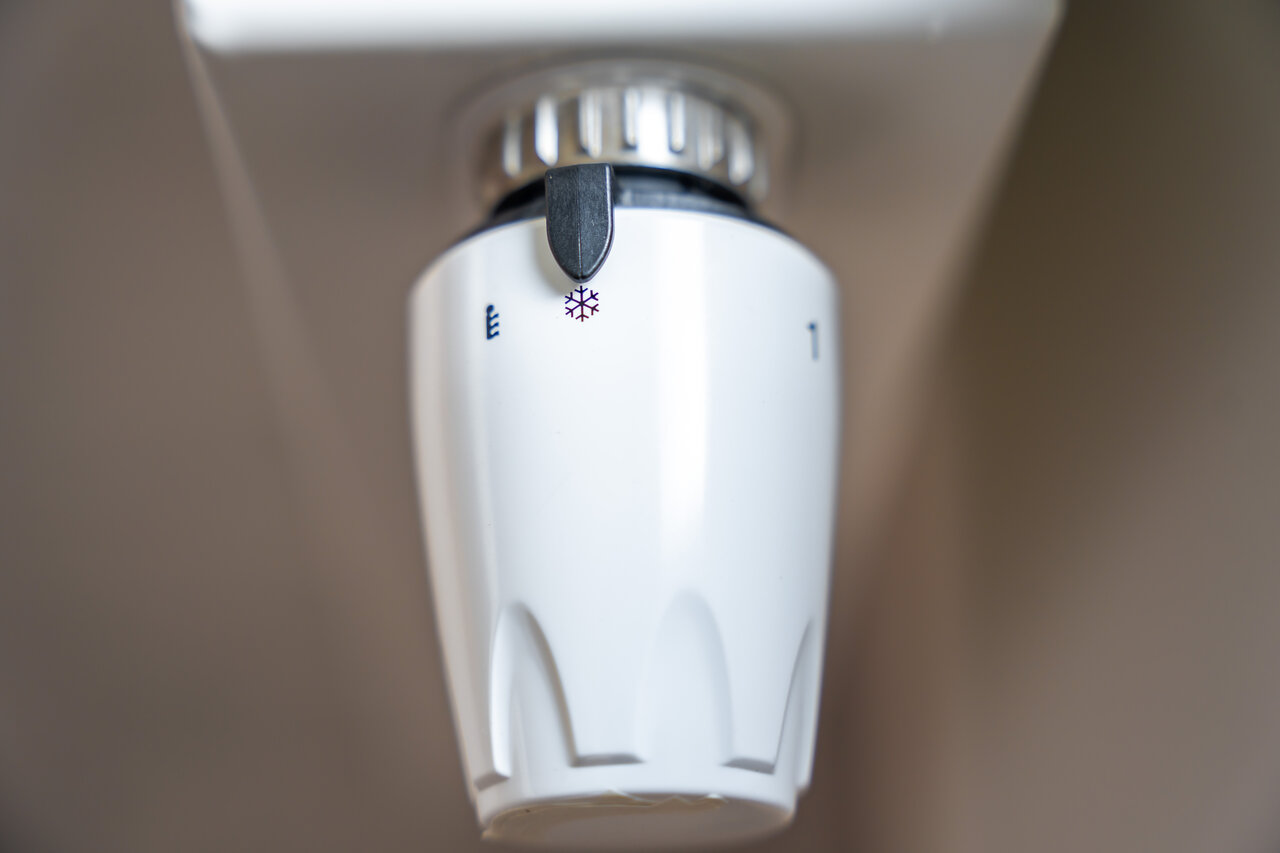
- Checking the thermostat: Ensure your thermostat is functioning accurately. Calibrate it if necessary and consider upgrading to a programmable smart thermostat for improved energy efficiency.
- Monitoring the system startup: Observe your heating system as it starts up and listen for any unusual noises or unusual behavior that may indicate a problem.
- Checking safety features: Test your home’s carbon monoxide detectors and confirm that they are functioning correctly. Additionally, make sure your heating system’s safety features, such as pressure relief valves and emergency shut-off switches, are in proper working order.
Heating System Maintenance
Regular maintenance is vital to the optimal performance of your home heating system. By performing routine upkeep, you enhance your system’s energy efficiency and extend its life. Some essential maintenance tasks include:
- Cleaning and changing filters: Dirty filters obstruct airflow, causing your system to work harder in order to maintain steady temperatures. Clean or replace your filters regularly, depending on the manufacturer’s recommendations.
- Inspecting and cleaning ducts: Check your home’s ducts for dirt and debris buildup, as well as any damage that could result in heat loss. Clean and repair ducts as needed to ensure optimal airflow.
- Cleaning the heat exchanger: The heat exchanger in your furnace should be free of dirt and debris to operate efficiently. Consult your system’s manual or hire a professional technician to clean it.
- Tuning the heating system components: Inspect and maintain system components such as ignition systems, burners, and motors. Regular servicing and tuning will help them work effectively, ensuring consistent warmth during the winter.
Heating Oil Management
Proper heating oil management is crucial for an optimally functioning home heating system. Consider the following tips to ensure a reliable supply of high-quality fuel throughout the season:
- Schedule heating oil delivery: Plan your heating oil deliveries well in advance, as demand typically increases during the winter. By scheduling deliveries ahead of time, you’ll benefit from timely delivery and reduced stress.
- Store heating oil properly: Store your heating oil in a safe and secure location, away from direct sunlight and moisture. Ensure your storage tanks are appropriately maintained and free of leaks or cracks.
- Check the quality of the heating oil: Keep an eye on the quality of your heating oil, as impurities or contaminants could impact your system’s performance. If you notice an issue, consult with your heating oil supplier.
- Monitor fuel levels: Keep a close eye on your heating oil levels to avoid running out of fuel during the coldest months. Invest in a tank gauge to monitor the levels accurately and ensure an uninterrupted supply.
Optimizing Home Insulation
Effective home insulation contributes significantly to the performance of your heating system, reducing heat loss and energy costs during the winter months. By implementing the following tips, you can optimize your home’s insulation and enhance your heating system’s efficiency:
- Identify insulation gaps: Inspect your home for areas with inadequate insulation, such as attics, crawl spaces, or gaps around windows and doors. Take necessary measures to fill these gaps and form a thermal barrier around your living space.
- Upgrade existing insulation: Consider upgrading your current insulation to more energy-efficient options. Rebates and financial incentives may be available to help with this upgrade, so research what may be applicable in your area.
- Seal openings and drafts: Seal gaps and drafts around windows, doors, and vents using weatherstripping or caulking. This will prevent drafts from entering your home and reduce your heating system’s workload.
- Insulate pipes and ductwork: Properly insulating your home’s pipes and ductwork can minimize heat loss from your heating system, ensuring a more energy-efficient and comfortable environment.
Conclusion
Preparing your home heating system for winter is a critical task for Long Island homeowners. By conducting a routine system checkup, performing comprehensive maintenance, managing heating oil, and optimizing home insulation, you’ll be well-equipped to provide consistent warmth and comfort for your home throughout the coldest months.
With your system prepared and ready for action, stay cozy in your well-heated Long Island home this winter, as you enjoy both comfort and peace of mind knowing your heating system is operating at optimal efficiency. Contact Oil Prices Long Island for more information on heating oil in Nassau County, NY.