As Long Island homeowners with a reliance on heating oil to keep our homes comfortable during the winter months, we must understand the importance of emergency preparedness and safety when it comes to our heating systems. Being well-prepared for unexpected winter storms, power outages, and potential heating oil-related issues can provide peace of mind and ensure a safe and warm living environment during these challenging times.
By fully grasping the necessary safety measures and emergency preparedness steps for heating oil systems, Long Island homeowners like us can keep our families warm and secure during unexpected winter weather events. Together, let’s dive into this essential guide to heating oil safety and emergency preparedness for Long Island homeowners, ensuring that we all stay safe and comfortable, no matter what challenges the winter season may bring.
Pre-Winter Maintenance and Inspection
The first step in ensuring a safe and warm home during the winter months is to schedule pre-winter maintenance and professional inspections for your heating oil system. Here are some key tasks to consider:
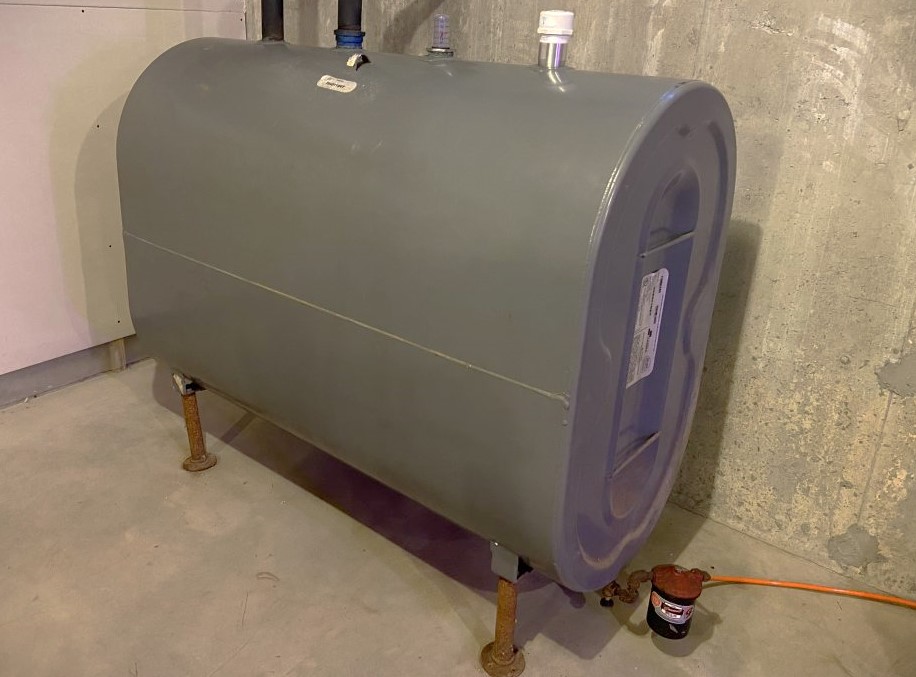
- Tank inspection: Have a professional inspect your heating oil tank for signs of leaks, corrosion, or damage that could lead to issues during the winter months.
- System cleaning: Arrange for a heating system technician to clean the burner, heat exchanger, and other essential components that can accumulate dirt and debris over time, impacting efficiency.
- Fuel filter check: Request that your heating professional inspect and replace your system’s fuel filter if necessary to ensure optimal fuel flow and performance.
- Heating oil levels: Verify that your heating oil tank is adequately filled to avoid running out during a storm or emergency situation.
- System testing: Have your technician run your system to ensure proper operation and identify any potential issues that could arise during winter weather conditions.
Heating Oil Storage Safety
Proper heating oil storage is crucial to ensure safety and efficiency during the winter months. Follow these best practices to securely store your heating oil:
- Regular inspections: Regularly inspect your heating oil tank for signs of leaks, corrosion, or damage, which could lead to spills and safety hazards.
- Vent pipe maintenance: Make sure that your tank’s vent pipe is clear of any obstructions, such as snow, ice, or debris, that could restrict airflow and create a dangerous situation.
- Avoid explosive substances: Never store propane tanks, gasoline, or other flammable materials near your heating oil tank to prevent possible ignition and combustion hazards.
- Secondary containment: Consider investing in secondary containment solutions, such as catch basins or spill containment pallets, to protect against potential leaks and spills.
Emergency Heating Options
In case of a heating system failure or power outage, it’s essential to have alternative heating methods and emergency supplies in place. Here are some options to consider:
- Portable heaters: Kerosene or propane heaters can serve as reliable backup heating sources during an emergency. Ensure that you follow all safety precautions provided by the manufacturer to avoid fire hazards or carbon monoxide poisoning.
- Generator: Having a portable generator on hand can help power your heating system in the event of an extended power outage. Be sure to follow proper generator safety guidelines, such as using it outdoors and away from windows, to avoid carbon monoxide buildup.
- Emergency supplies: Stock up on essentials like flashlights, batteries, blankets, and non-perishable food to stay comfortable and safe during a winter emergency.
Winter Storm Preparation
Before a winter storm arrives, take these vital steps to ensure your heating oil system remains in optimal working condition and maintains sufficient fuel levels:
- Monitor weather forecasts: Keep an eye on local weather reports to stay informed about potential storms and prepare accordingly.
- Check heating oil levels: Regularly check your heating oil tank’s fuel gauge and schedule a delivery if needed to prevent running out during a storm.
- Benchmark tank area: Ensure the area around your heating oil tank is clean, clear of debris, and properly insulated to protect against freezing temperatures.
- Secure your home: Insulate doors and windows, close vents in unused rooms, and maintain a steady indoor temperature to help prevent frozen pipes and keep your home warm during a storm.
Post-Storm Heating System Inspection
After a winter storm, it’s important to inspect your heating system and address any potential damage or hazards. Follow these guidelines to restore normal heating operations safely:
- Check for damage: Inspect your heating oil tank, pipes, and connections for visible signs of damage, such as dents, leaks, or blockages.
- Inspect vent pipes: Ensure that your tank’s vent pipe is clear of snow, ice, or debris, which could impact air circulation and create a safety hazard.
- Monitor fuel levels: Check your fuel gauge and schedule a delivery if necessary to maintain a sufficient heating oil supply.
- Test your system: Run your heating system to verify proper operation and address any potential issues.
Conclusion
Emergency preparedness and heating oil safety are crucial to maintaining a warm and secure Long Island home during winter weather events. By following the guidelines in this guide, homeowners can stay informed and ready to face unexpected storms and power outages. Stay vigilant, proactive, and prepared for a safe and comfortable home throughout the winter season with our cheap oil for home heating at Oil Prices Long Island.