In the era of smart homes and sustainable living, optimizing your home heating system for efficient oil consumption is more than a mere consideration—it’s an absolute necessity. As homeowners, we are constantly in pursuit of strategies that not only enhance our comfort but also ensure that our living spaces are energy-efficient and environmentally friendly.
The heating system, which is often a significant energy guzzler, particularly during the colder months, is one area where a few tweaks and upgrades can lead to substantial savings on energy bills, while simultaneously reducing your carbon footprint.
A well-optimized home heating system is not only about choosing the most advanced equipment. It also involves leveraging a mix of smart usage habits, regular maintenance schedules, and incorporating minor changes in your daily routine. So, we aim to provide you with comprehensive insights into how you can accomplish such optimization with ease and efficacy.
From understanding the nuances of different heating systems to exploring the most effective ways to use and maintain them, we will delve into all aspects of optimizing your home heating system for efficient oil consumption.
Maximizing Your Home Heating System Efficiency for Lesser Oil Consumption
1. Regular Maintenance for Peak Performance
One of the most effective methods to optimize your home heating system for efficient oil consumption is to ensure regular maintenance. Schedule an annual tune-up by a qualified technician to inspect and clean your furnace or boiler. This preventive measure ensures that your heating equipment operates at optimal efficiency levels, ultimately conserving oil and lowering your energy bills.
Regular maintenance also helps identify any potential issues with your heating system, addressing them proactively before they escalate into costly repairs or cause decreased performance. Changing filters, cleaning vents, and lubricating moving parts are all essential elements of maintaining a healthy and efficient heating system.
2. Upgrade to Energy-Efficient Heating Equipment
Modern heating systems often boast higher efficiency ratings than older models. Invest in an Energy Star-certified furnace or boiler that consumes less oil while still providing the necessary warmth to your home. Replacing an outdated system with a high-efficiency unit can substantially reduce your heating oil consumption, saving both money and non-renewable resources in the long run.
If a full upgrade isn’t currently feasible, consider retrofitting your existing system with advanced components designed to boost efficiency, such as programmable thermostats, zone control systems, or reflective radiator panels. While these upgrades may require an initial investment, the long-term savings on oil consumption and energy costs can be significant.
3. Leverage the Power of Programmable and Smart Thermostats
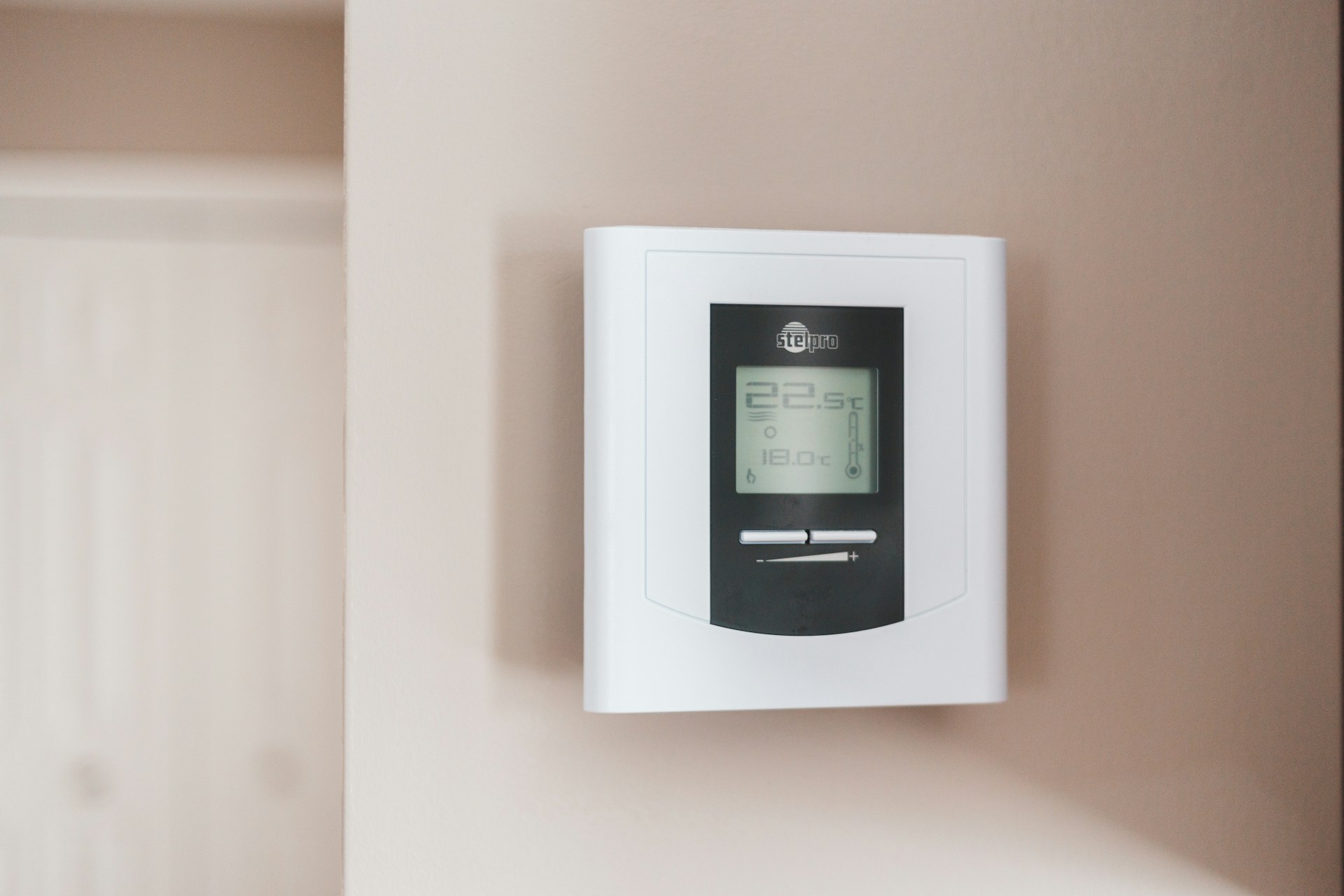
A programmable thermostat enables you to create an efficient heating schedule for your home, automatically adjusting the temperature settings according to your daily routine. For example, you can lower the thermostat settings while you’re out at work or when you’re asleep, eliminating the consumption of heating oil during times when you don’t require maximum warmth.
Smart thermostats take the benefits of programmable thermostats a step further, allowing you to control and monitor your home’s heating remotely via your smartphone or other internet-enabled devices. Some smart thermostats are equipped with learning algorithms that adapt to your preferences and habits, adjusting settings to achieve maximum efficiency.
4. Improve Insulation and Air Sealing in Your Home
An efficiently heated home requires more than just an efficient heating system. Enhancing your home’s insulation and air sealing can prevent heat loss, thereby conserving heating oil and maintaining a comfortable indoor temperature. Insulation in your walls, ceiling, and attic helps trap heat within your living space, reducing the burden on your heating system.
Air sealing, on the other hand, addresses gaps and cracks in your home’s structure that can allow drafts and cold air to enter. By sealing these potential entry points with caulking, weatherstripping, or spray foam insulation, you effectively reduce heat loss and improve overall heating efficiency.
5. Consider Alternative Heating Solutions
Exploring alternative heating solutions can also help optimize your home’s oil heating system, further reducing your oil consumption. Supplementing your primary heating source with electric or natural gas space heaters, for example, can provide targeted warmth in specific areas or during particularly cold days without overextending your heating oil supply.
In addition, if your home’s layout allows, consider investing in a zoned heating system. This system enables you to heat specific areas or rooms according to each space’s needs, leading to more efficient use of heating oil and overall energy consumption.
Take Control of Your Home Heating Efficiency
In essence, optimizing your home heating system for efficient oil consumption is a holistic approach that combines understanding your heating system, regular maintenance, strategic upgrades, and smart heating habits. It’s a worthwhile endeavor that promises long-term benefits, both for the individual homeowner and for the environment.
Partner with Oil Prices Long Island to provide you with the best quality heating oil solutions in Long Island, and our team of experts to support you in your quest to optimize your home heating system for an efficient, cost-effective, and eco-friendly home.