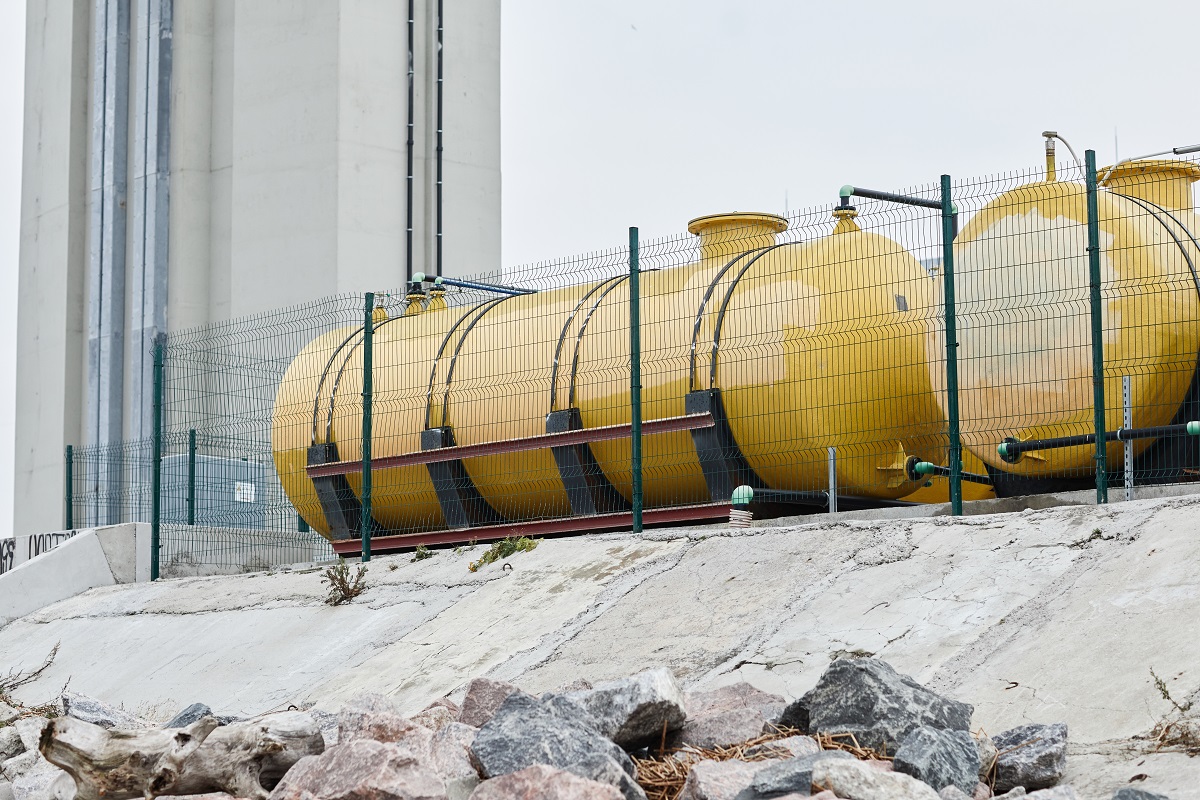
As a Long Island homeowner, your heating oil tank is a crucial component in keeping your home warm and comfortable during the chilly winter months. Proper maintenance of your heating oil tank can prevent potential issues, such as leaks, contamination, and decreased efficiency, ensuring its optimal and safe performance. Performing routine checks and following best practices for tank maintenance can also help prolong the life of your heating system, providing you with reliable warmth year after year.
In this article, we will share valuable tips on how to maintain your heating oil tank, focusing on safety measures, efficiency, and preventative maintenance. By following these guidelines, you can avoid the inconvenience of unexpected issues and costly repairs, ensuring peace of mind and a cozy home throughout the winter season.
Performing Regular Visual Inspections
One of the most critical aspects of heating oil tank maintenance is carrying out regular visual inspections. Identifying potential issues early on can prevent more significant problems down the road. It is recommended that you check your tank at least every three months, with more frequent inspections during the winter months when the tank is in use. Here’s what to look for during your regular inspections:
- Rust and corrosion: Check for any signs of rust or corrosion on both the exterior and interior of your heating oil tank, as these could potentially lead to leaks or cracks.
- Physical damage: Examine your tank for any dents, scratches, or other visible signs of damage that could affect its structural integrity.
- Oil leaks: Look for any signs of oil leakage around the tank, particularly near seams, joints, and plumbing connections.
- Vent and fill pipe condition: Inspect the tank’s vent and fill pipes to ensure they are clear of debris and obstructions, which could lead to inefficiencies or safety hazards.
- Foundation and support: Ensure that the tank’s foundation and support are in good condition, stable, and level to prevent sagging or shifting that could compromise the tank’s structural integrity.
Preventing Corrosion and Rust
Corrosion is a leading cause of heating oil tank failure, so it’s essential to take preventative measures. Follow these tips to help protect your tank from rust and corrosion:
- Interior protection: Use additives in your heating oil that help to prevent internal corrosion. These additives can slow down the formation of water and sludge inside the tank, reducing the risk of rust and corrosion.
- Exterior protection: Paint the exterior of your tank with rust-resistant paint suitable for metal surfaces, which can help protect it from moisture and humidity.
- Underground tanks: If you have an underground heating oil tank, consider investing in a corrosion-resistant fiberglass model when replacing or installing a new tank.
- Insulate: Insulating your heating oil tank can help maintain a warmer, relatively dry environment around the tank, discouraging condensation, which can lead to corrosion.
Maintaining Fuel Quality
Maintaining the quality of the heating oil stored in your tank is crucial for efficient combustion and overall system performance. Here are some measures you can take to ensure the fuel in your tank remains in optimal condition:
- Regularly check for water: Use a water-detecting paste on a tank probe to check for water buildup in the bottom of your tank. If water is present, contact a professional to have it removed and determine the source to prevent future contamination.
- Address sludge buildup: Over time, sludge can accumulate at the bottom of your tank, reducing the efficiency of your heating system and leading to potential damage. Schedule a professional cleaning every few years or as needed, depending on the age and condition of your tank.
- Stabilize your fuel: Purchase heating oil that contains fuel stabilizers, which prevent fuel degradation and extend the life of your fuel.
- Fill your tank during the summer: Keeping your tank full during the warmer months can reduce the risk of condensation, which can lead to water contamination and promote the formation of sludge.
Scheduling Professional Maintenance and Inspections
While regular visual inspections and preventative measures are crucial, it’s essential to enlist the help of professionals for a more thorough examination and servicing of your heating oil tank. Scheduling an annual inspection and maintenance with a licensed heating oil technician can help ensure the safe and efficient operation of your tank. These professionals can:
- Inspect tank components: Carefully examine all the internal and external components of your heating oil tank, identifying any issues before they become major problems.
- Perform fuel system tune-ups: A heating oil technician can perform a comprehensive tune-up on your fuel system, optimizing its efficiency and performance.
- Replace worn parts: Professionals can identify and replace any worn-out or damaged parts, further prolonging the life of your heating oil tank.
Conclusion
Proper maintenance of your heating oil tank is essential to ensure the safety, efficiency, and longevity of your home heating system. By following our recommended guidelines for visual inspections, corrosion prevention, fuel quality management, and professional servicing, you can be confident that your heating oil tank will provide reliable warmth for your Long Island home throughout the winter season.
Keep your heating oil tank in top condition with our essential maintenance tips, ensuring optimal performance and the peace of mind that comes with a safe, efficient, and reliable home heating system. That said, if you are looking for the cheapest heating oil in Long Island, do reach out to us today at Oil Prices Long Island!