As Long Island homeowners who rely on home heating oil to keep our homes warm during the winter season, the proper maintenance of our heating oil tanks is crucial. Regular oil tank upkeep can not only prolong the life of the tank and ensure efficient operation but also prevent unexpected and potentially costly issues. That’s why we have created this ultimate guide to home heating oil tank maintenance, specifically tailored to meet the needs of Long Island homeowners.
By following this guide to home heating oil tank maintenance, Long Island homeowners like us can ensure our tanks remain in top condition, providing warmth and comfort to our families throughout the winter months. With proper care and attention, we can mitigate unexpected problems, secure our heating systems’ efficient operation, and extend the life of our heating oil tanks. Stay with us as we dive into this essential guide to heating oil tank maintenance and keep your Long Island home warm, safe, and cozy.
Understanding Your Home Heating Oil Tank
Before discussing maintenance tips, it is essential to understand the different types of home heating oil tanks, their components, and how they function. The two main types of heating oil tanks are above-ground and underground. Above-ground tanks are usually installed in basements or outside homes, while underground tanks are buried beneath the ground.
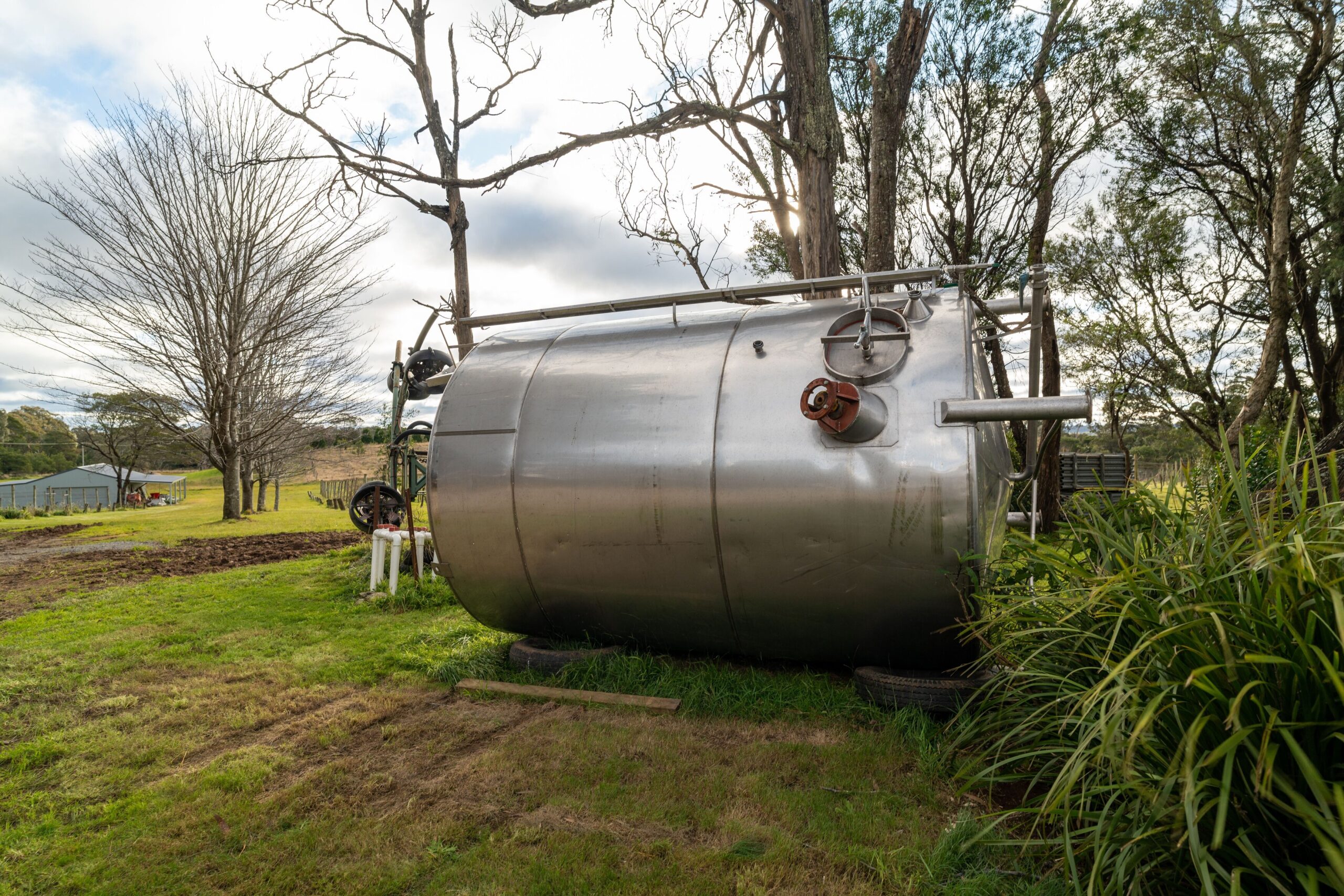
Both types of tanks typically consist of the following components:
- Tank body: The main reservoir where heating oil is stored.
- Fill pipe: An access point where the heating oil is delivered into the tank.
- Vent pipe: Allows air to escape during filling and prevents the build-up of harmful fumes.
- Supply line: Connects the tank to the home’s furnace or boiler.
- Fuel gauge: Displays the amount of oil remaining in the tank.
Understanding these components and their functions will help you to maintain your heating oil tank effectively and ensure optimal performance.
Routine Inspections and Maintenance
To ensure the efficient operation of your home heating oil tank, it’s essential to perform regular inspections and maintenance. Here are some crucial tasks and routines to follow:
- Check for leaks: Inspect your tank, pipes, and connections for leaks or signs of corrosion. If you detect any issues, contact a professional for repair or replacement immediately.
- Inspect the vent pipe: Ensure the vent pipe is clear of any debris, snow, or insect nests to prevent blockages that could lead to over-pressurization of the tank.
- Monitor your fuel gauge: Regularly check your fuel gauge to avoid running out of oil and to help you anticipate when a refill is necessary.
- Maintain the tank area: Keep the area around your oil tank clean and clear of debris. For above-ground tanks located outside, ensure they are protected from harsh weather and direct sunlight.
- Schedule professional inspections: Arrange for a professional inspection of your heating oil tank at least once a year. An experienced technician can identify potential issues and provide recommendations for maintenance or replacement if necessary.
Safety Precautions and Measures
While maintaining your home heating oil tank, it’s important to follow safety guidelines and be aware of potential hazards. Keep these essential safety precautions in mind:
- Avoid open flames or sparks: Since heating oil is flammable, never use an open flame or create sparks near your tank.
- Ventilation: Ensure proper ventilation while performing maintenance on your tank, especially if it is located indoors, to minimize the risk of inhaling harmful fumes.
- Use appropriate tools: When working on your heating oil tank, use non-sparking tools, such as brass or bronze wrenches, to reduce the risk of igniting fumes.
- Know your limits: If you suspect a problem with your heating oil tank or are unsure how to perform certain maintenance tasks, consult a professional for assistance.
Recognizing Signs of Potential Problems
Early detection of heating oil tank issues can help prevent more significant problems down the line. Be on the lookout for these warning signs and symptoms:
- Visible leaks or spills: Keep an eye out for any signs of oil leaks or spills in or around your tank, pipes, and connections.
- Rust or corrosion: Inspect your tank for signs of rust, corrosion, or pitting, which could weaken its structural integrity and increase the risk of leaks.
- Unusual odors: Strong or persistent oil odors in your home could indicate a leak or other issues with your heating oil tank.
- Decreased efficiency: If your heating system seems less efficient or you notice increased fuel consumption, it may be a sign of an issue with your heating oil tank.
If you notice any of these signs, contact a heating oil tank professional for further assessment and guidance.
When to Replace Your Oil Tank
Heating oil tanks have a finite lifespan and will eventually need to be replaced. Factors such as age, material, and maintenance history can contribute to the lifespan of your tank. As a general rule, steel tanks last approximately 15 to 30 years, while double-walled and fiberglass tanks can last up to 50 years.
If your tank is showing signs of significant corrosion, leaks, or structural damage, it may be time to consider a replacement. Consult a professional to evaluate your tank and determine if a replacement is necessary.
Conclusion
Proper home heating oil tank maintenance is crucial for ensuring the efficient operation and longevity of your tank. By following this ultimate guide from us at Oil Prices Long Island, homeowners can protect their homes and families while maintaining a comfortable and cozy living space during the winter months. Stay vigilant, practice regular maintenance, and enjoy the warmth and peace of mind that comes with a well-maintained home heating oil tank. Get the cheapest heating oil in Long Island from us today.